Replit Surprised Me - Opinionated Vibe Coding
Why opinionated platforms might make vibe-coding an option for me
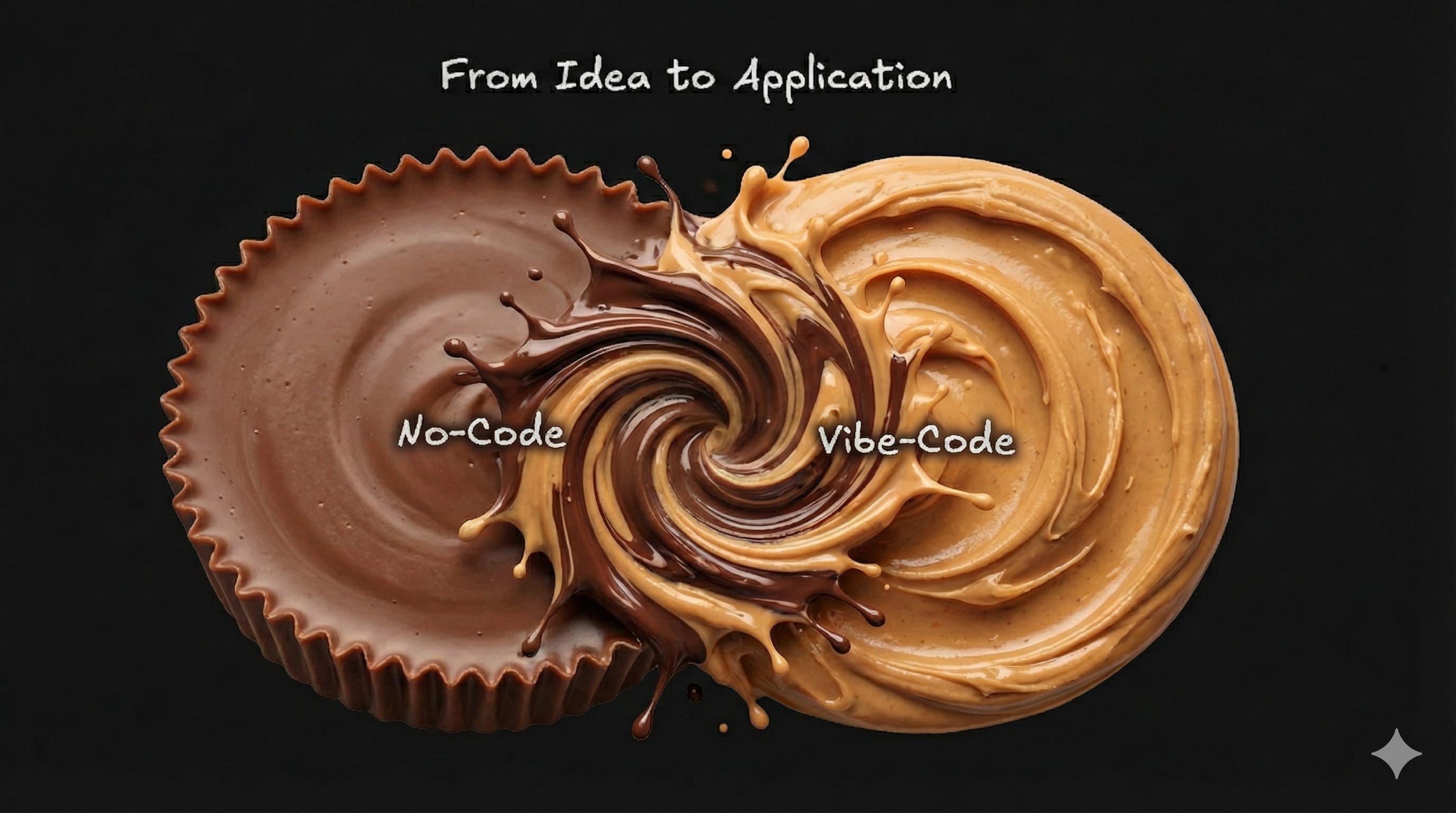
Recently I collaborated with Replit in a paid sponsorship (this is not part of that), and before doing so I tried to vibe-code an app to see if things have changed since a year ago when I last tried—both for a customer and myself.
I ended up making three “mini-apps” or personal apps to be used maybe by only me and family. One of them did have Stripe, but I just needed to see it all come together. This worked amazingly well and started to shift my thinking about no-code vs vibe-coding.
The Opinionated Platform is Key
What really made it a good experience for me—coming at it from the perspective of a non-developer (yes, I am someone who had been coding for 20+ years) who just wants to see their idea come to life—was how it did not ask me about the nitty-gritty details like authentication, hosting, database, websockets, etc. It just did it.
And this was a big change from a year ago when I wasn’t getting as far with vibe-coding or spec coding. I was seeing solo devs with years of experience not able to really build a solid application that they could then add new features to without it breaking. And of course finding issues with security when it came to database access controls, etc. Or having to then deploy and host it. This stuff is hard and there are a lot of details, but none of it is “new” or “unknown”—so having a system like Replit, or any system, just include all of this from the start (database, authentication, payments, etc.) just made a lot of sense to me.
[
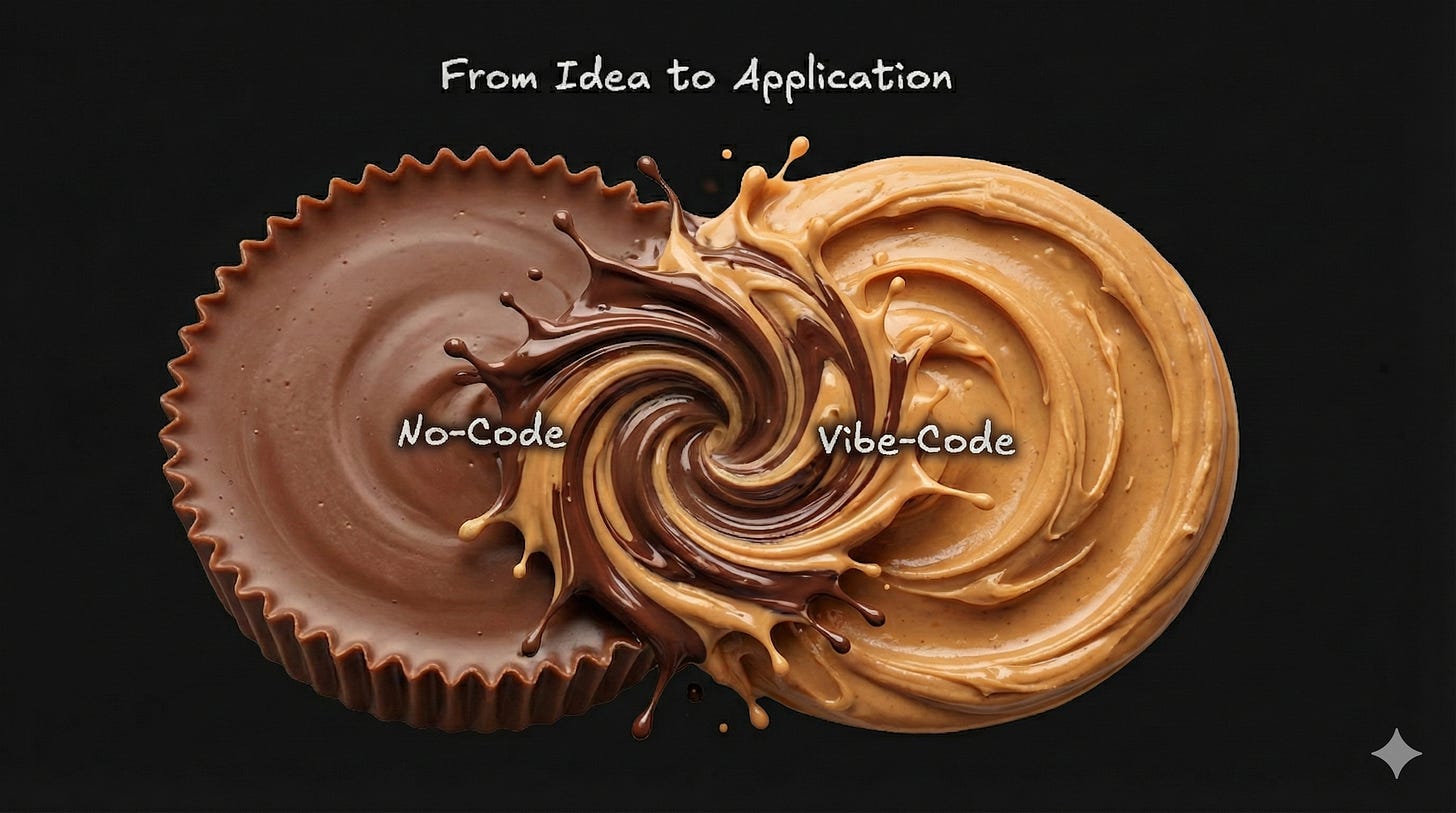
Business Complexity vs The mini app
Then there is the business complexity that can get lost in code. I still feel there are a number of great automation tools to use to build these out in, like Zapier, Make, n8n, ActivePieces, etc., and now many of them have AI to prompt it into existence—further bridging the gap between being a builder and someone who can prompt their idea to the AI.
But in this case, what I find most important is the idea of a mini-app. Like Google Opal but better. With JavaScript, SQL, etc., the sky is the limit. And when I can make a small application that is focused on one task, and it “lives” in a “dashboard” that is mine and not hosted out in the world for others to hack, that allows me to solve numerous small problems and stitch them together if needed to then solve bigger problems.
“A tough business problem is one that has not been broken down into small enough steps”
For example, the idea of an app that helps me make sense of analytics, or helps me parse a PDF and send the data to another system—these are great examples of solving a problem more quickly and over time removing one more friction point from my day.
All of this empowers non-developers to solve important day-to-day workflows that in the past someone had to build with a no-code tool (still needing skills) or with code.
[


The Lego Block System vs 3d Printing
And this is the one thing that I think makes this opinionated approach special: the moment where no-code becomes the layer underneath the vibe-code layer. Applications like Softr, Noloco, ToolJet, AppSmith, etc. are all going in the direction of “vibe-coding” your application into something usable. And unlike platforms like Lovable that seem to still be 3D printing every part into existence again and again,
[
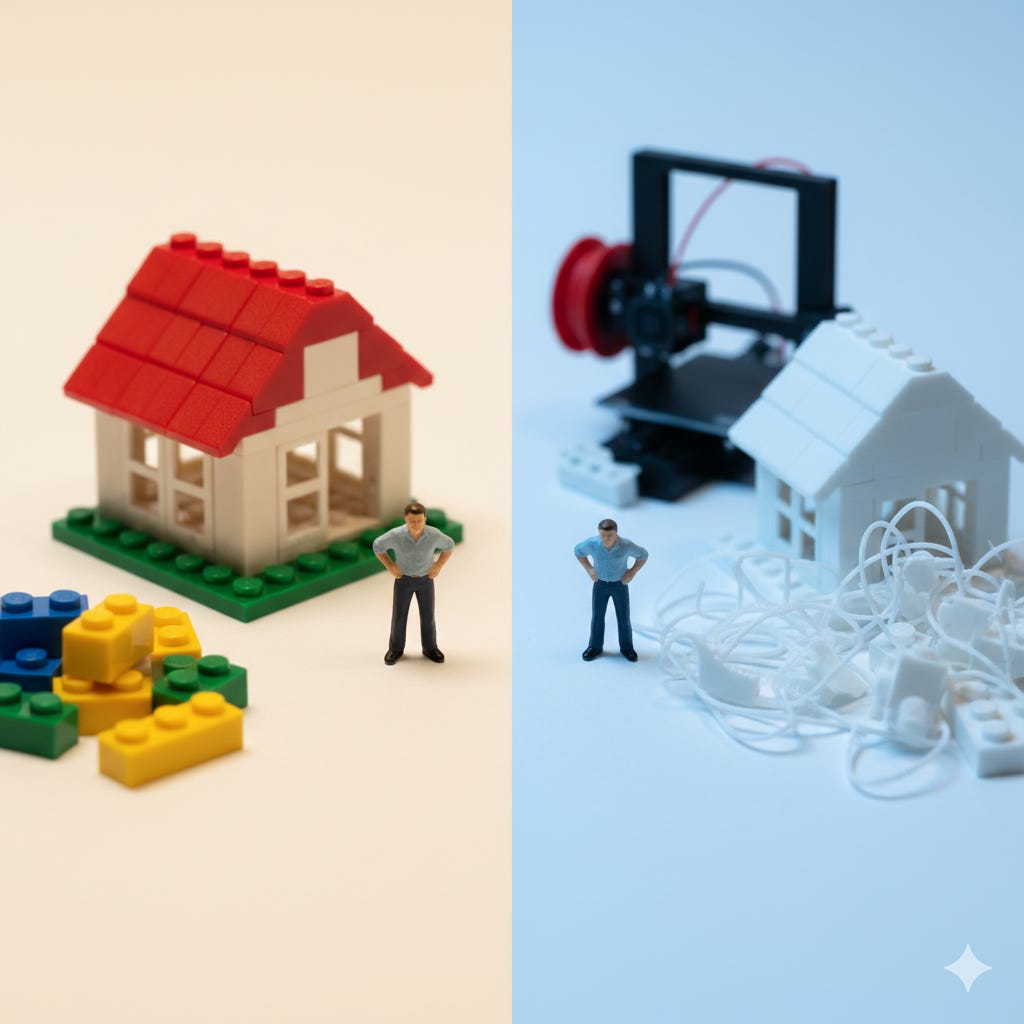
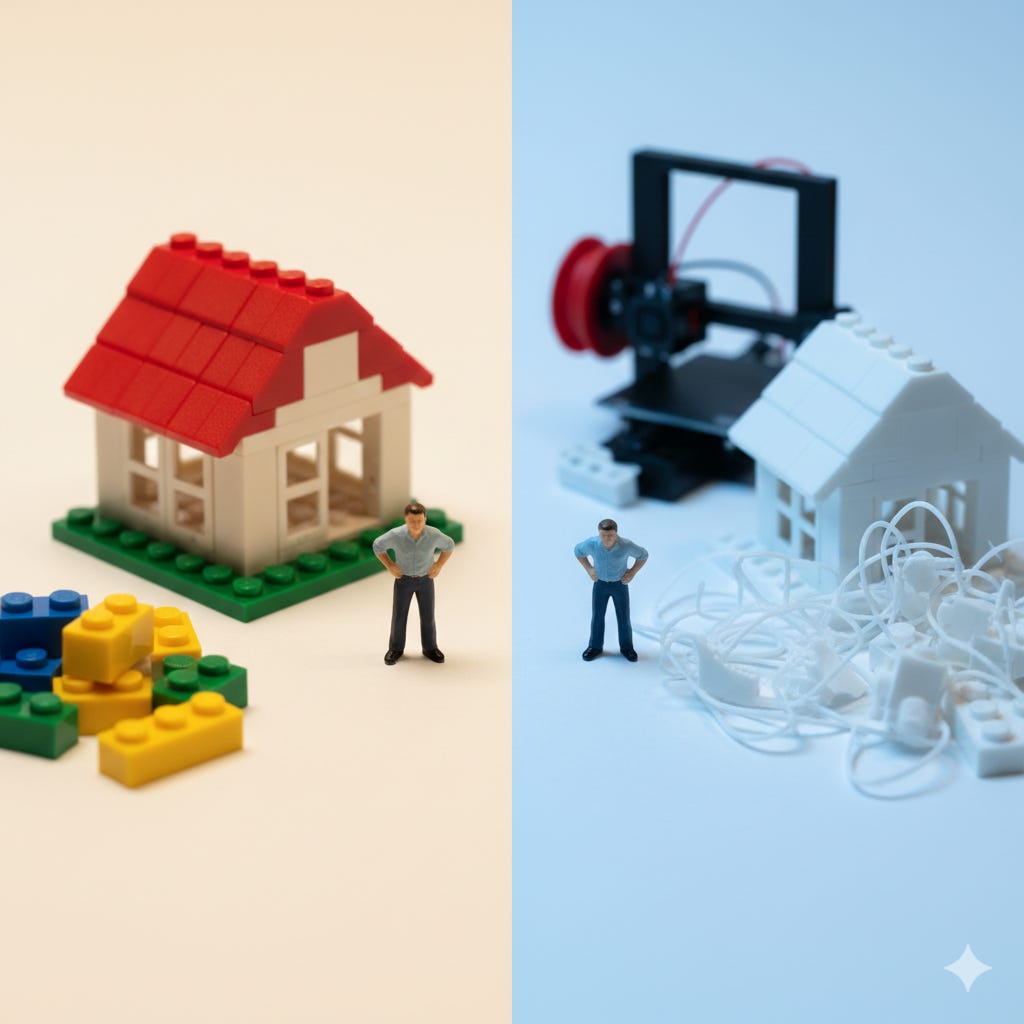
these platforms are all using opinionated patterns and blocks to get the common problems solved that users have. “I need to upload this file and…”, “I need to gather data from these places and…”, “I need help reviewing this document for anything that doesn’t line up with the context over here”—etc., etc.
Then just the fun of it
Then there was the moment I realized I could make a game—something I had wanted to do for some time. And this one is far from done since my real goal is to make it about “Maritime Security.” For who? Maybe just me 🙂 but that’s okay. I might never have that Wordle moment, but all the moments in between of making something I could not before—even if it is “just” me prompting it and not coding it—still is exciting.
[

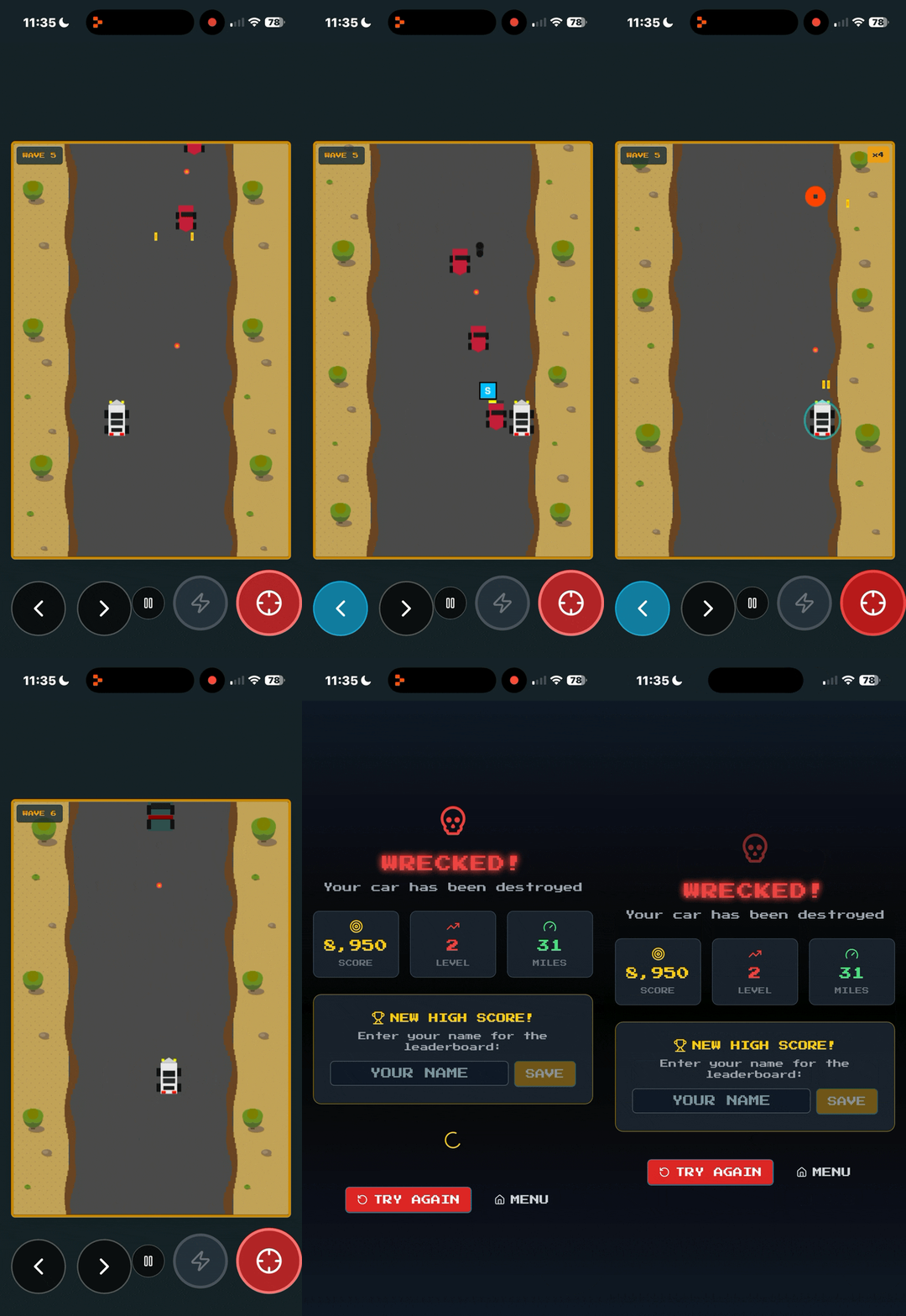
So overall I was impressed. For not a lot of money monthly (👉 and no, this is not an ad), I can have my 20 miscellaneous applications there and waiting for me to use day after day. I’m sure too that I could make an MCP to connect to the databases if needed. So if like me you tried vibe-coding a year ago and it fell flat, I would say try again—try opinionated systems like Replit or if you know other opinionated platforms, share them below!