The Lovable Moment
It didn’t deploy perfectly. Database setup was tricky. Auth was hard. It did not scale well as she started adding more and more to it. But it let her *show* the idea instead of *explaining* it.
This phrase came to mind the moment I saw my partner, a software product manager for many years, go from “how do I explain this?” to just… building it. This was like one and a half years ago?
Back then she was using Lovable a “vibe coding” tool (before the term was coined) to prompt her app to reality.
It didn’t deploy perfectly. Database setup was tricky. Auth was hard. It did not scale well as she started adding more and more to it. But it let her show the idea instead of explaining it.
She went from describing the product to someone else… to building an outline of it herself. In a way that made it clear as to what she wanted.
I talked about that moment for weeks, not just cause of the tech, but because of what it did to empower this person to create the tool she needed.
Knowing what is needed and now able to build it
If you’ve ever been the person with the idea, or the product owner, the project manager, the department head, someone who knows exactly what needs to get built to get a task done.
But for years have and the problem is getting that idea from your head into someone else’s hands without losing something in translation.
[
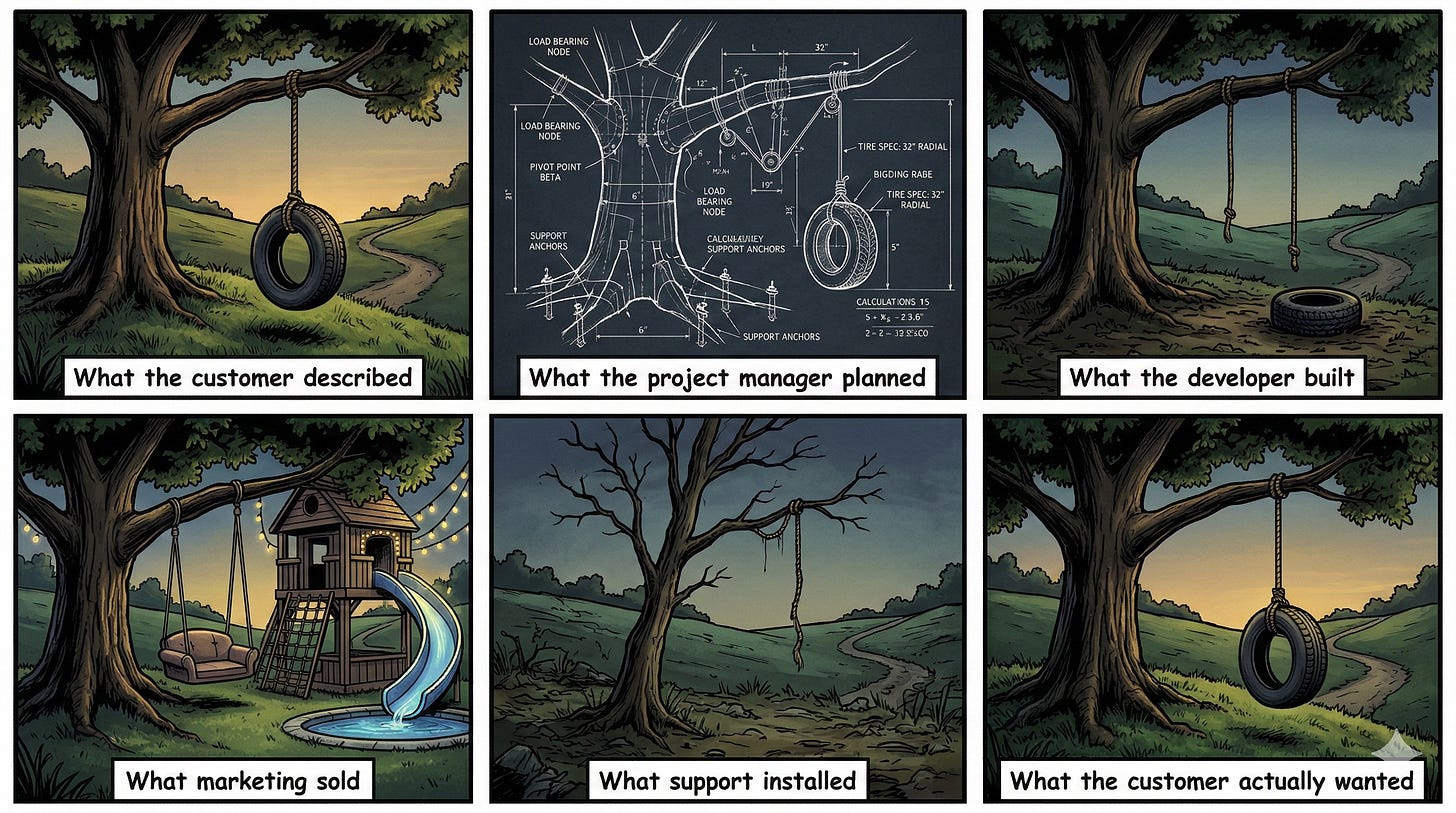
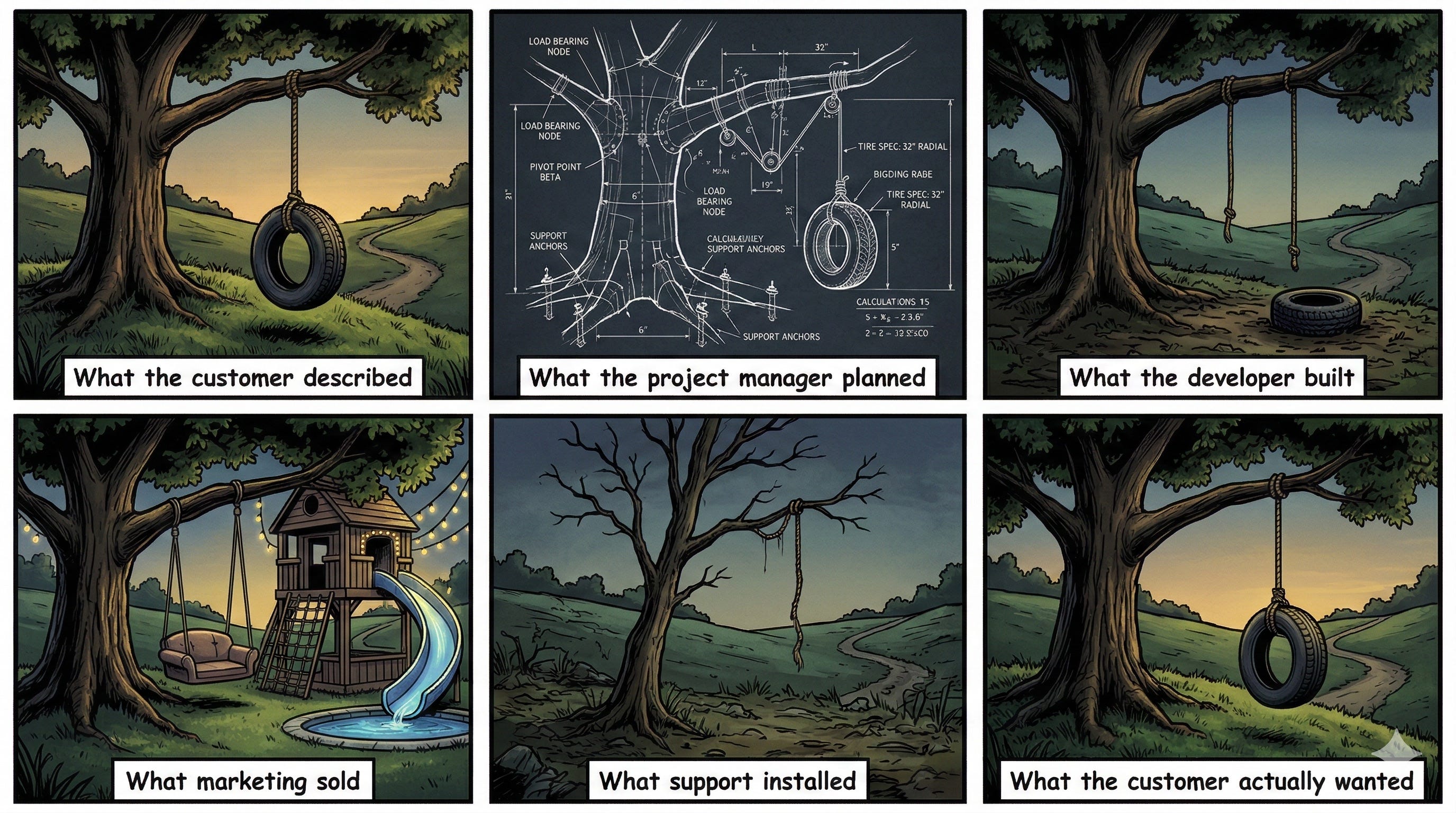
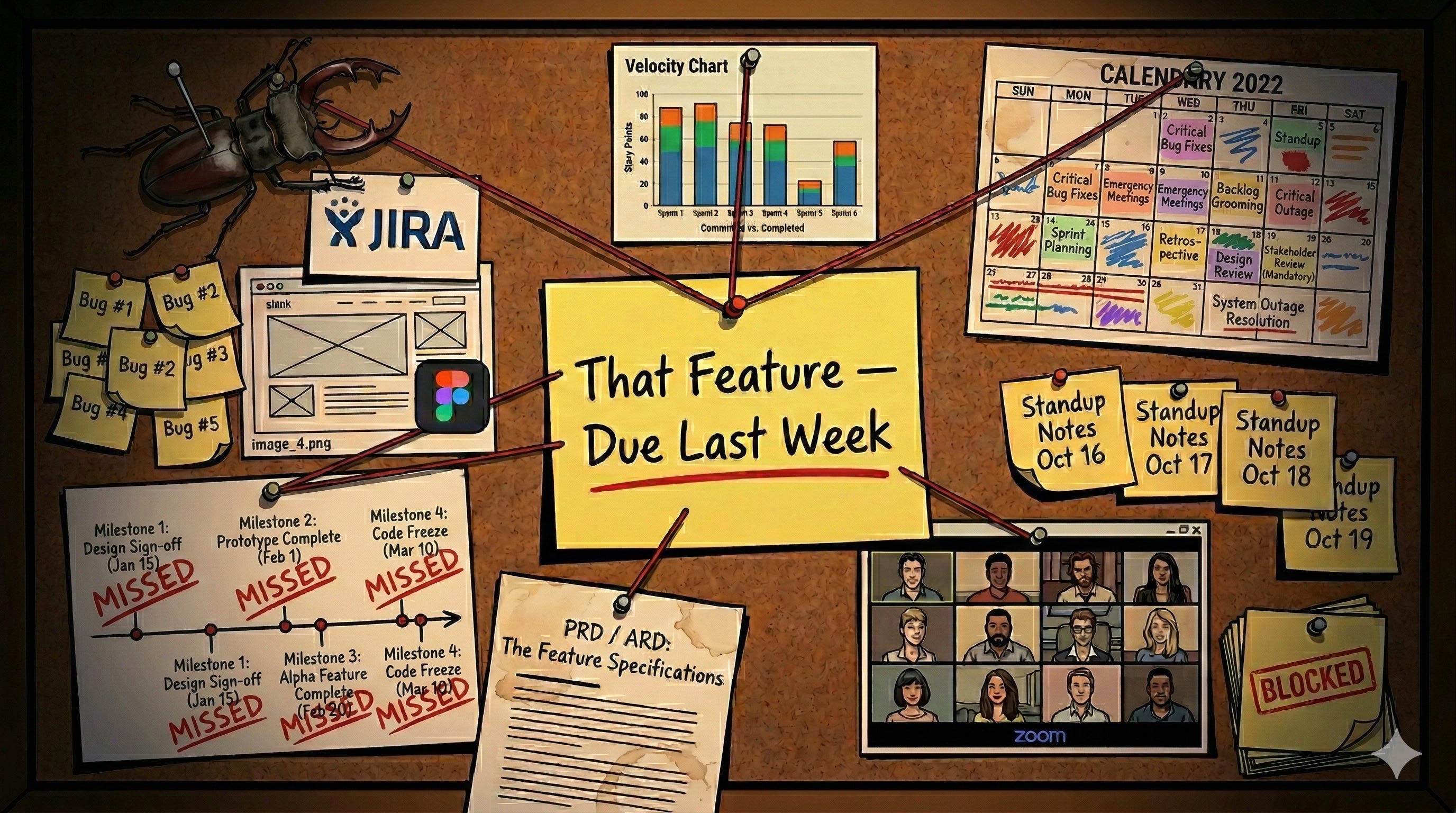
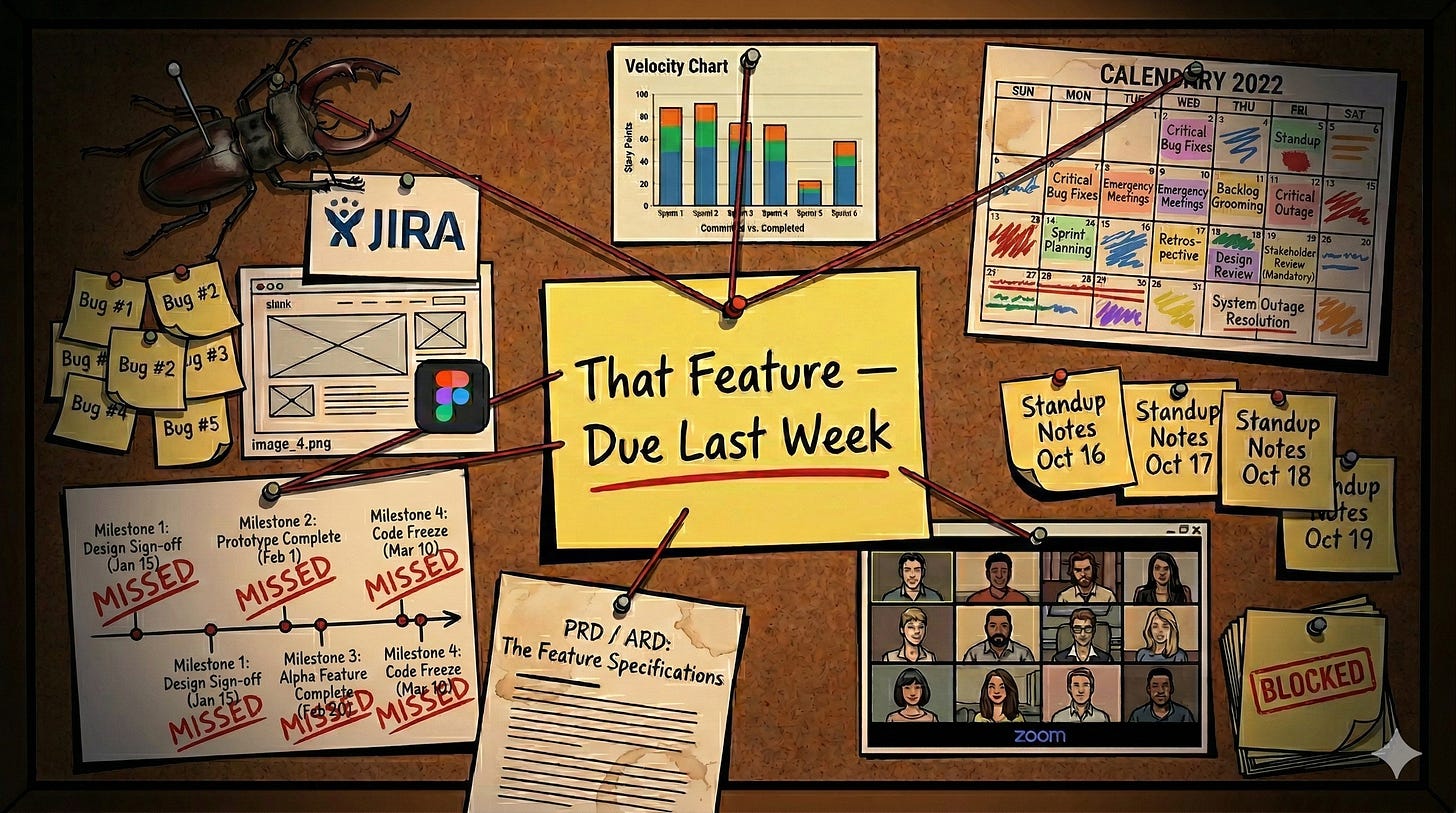
Figma boards. Meetings. Requirements docs. JIRA tickets. All of it — and still, what gets built isn’t quite what you pictured. And all that process rarely produces what the original owner envisioned.
[
Maybe like the age of the digital camera, or even better the camera in the phone — more people than ever can try to bring their idea to reality. To solve a problem they are having that day with a work task. To create something new they know they want.
See some examples of this are with Replit and people building IOS apps during the time traveling to and from work on the bus as seen here.
NO, this is not sponsored 🙂
That is what makes this phase so exciting. Sure, there is the “fart app” phase of all moments where the barrier to entry is lowered, but there are the long tail results of it that continue after the hype and the “slander”.
Maybe like the Wright Brothers “flight” people saw it but did not see the potential, they now see these close but not fully there and can not see what is possible.
All truth passes through three stages. First, it is ridiculed. Second, it is violently opposed. Third, it is accepted as being self-evidently true
That’s what happened in that “lovable moment”. It wasn’t a finished product. But it was to me proof that the gap could close. That the person closest to the problem could start to become the person solving it.
Yes, we are not there yet
I hear it from so many as they call things slop, or point out all the vibe coding security holes. Or how they have to rewrite the entire app for the vibe-coder etc.
And a lot of it is true.
But these tools are giving people with ideas the ability to show those ideas like never before. And for smaller applications — internal tools, workflows, mini-products — they just work. More and more, they work for bigger things too.
Checkout Opal by Google if you get a moment https://opal.google/
The Skill That’s Going to Matter
It’s not going to be the person who knows how to code. Sure, there will be still “developer” people managing the foundational aspects of code for a while, a short while maybe. OK, to be fair, there still are COBOL developers. But fewer will manage more application and it will not be so much the building of apps as more the “Human in the Loop” monitoring.
Instead it’s going to be the person who understands the business well enough, knows the customers well enough, and knows the goals well enough to keep using these tools to push forward.
I’m seeing customer I know use Claude Desktop and mention the word Python — which yesterday was a snake to them — and use it to parse files, pull data, and build reports that would have taken days or hours of boring work. Not because they became AI engineers. Because the tools took their business-focused prompts and turned them into results.
None of this is optional anymore. If you’re spending hours copy-pasting data into a weekly report, that’s going away. If you’re manually sorting through piles of documents, PDF pages, etc., that is going to need to be reduced in the time it takes and the quality of the output.
Take time daily, weekly to learn and try these tools. Prompting matters but there is no secret formula, no book to read, no master guide. But just do often, fail, ask AI why the prompt did not work and why you got the results you got and try again.
And managers give people time to do this. Creating a culture that has time to experiment, learn and do more than just “getting it done” is key.
For me the smaller friction points of the day have been reduced, yes I fight AI during the day as well, but the more tedious work of writing unit tests, reviewing every line of code, waiting on deployments, Tailwind (so do not miss that), writing documentation, research, etc.
And just daily seeing what is possible that I could not have done before are the lovable moments I have most days with these different tools.
Suggested links
Try Nano Banana to make images, charts!, and more https://gemini.google.com/app Just choose Image and give it a prompt
Try Claude Desktop (not the browser version the Desktop app) and in their try Projects or Cowork https://claude.com/product/cowork
The Claude Chrome Extension https://chromewebstore.google.com/detail/claude/fcoeoabgfenejglbffodgkkbkcdhcgfn
Try Replit for a bit more vibe-coding on guardrails experience https://replit.com/
NotebookLm https://notebooklm.google.com/
Checkout Opal by Google if you get a moment https://opal.google/