Stop Coding Start Building
Why the future belongs to builders, not coders
Introduction
I’ve been meaning to share this message for a while. It’s simple: if you’re just getting started in tech or running a business and want to build something—don’t start with code. In fact, avoid it if you can.
If you’re hiring and a developer insists on coding everything from scratch? That’s probably not the right fit anymore.
Why Code Is the Wrong Starting Point
It’s just too easy now to build powerful tools without writing a single line of code. And I’m not even talking about AI (yet). I mean with existing platforms like n8n, Supabase, Airtable, and countless others.
I haven’t been in a situation in the past six months where I thought, “Yeah, I really need to write this from scratch.” And I build a lot of things for a lot of people.
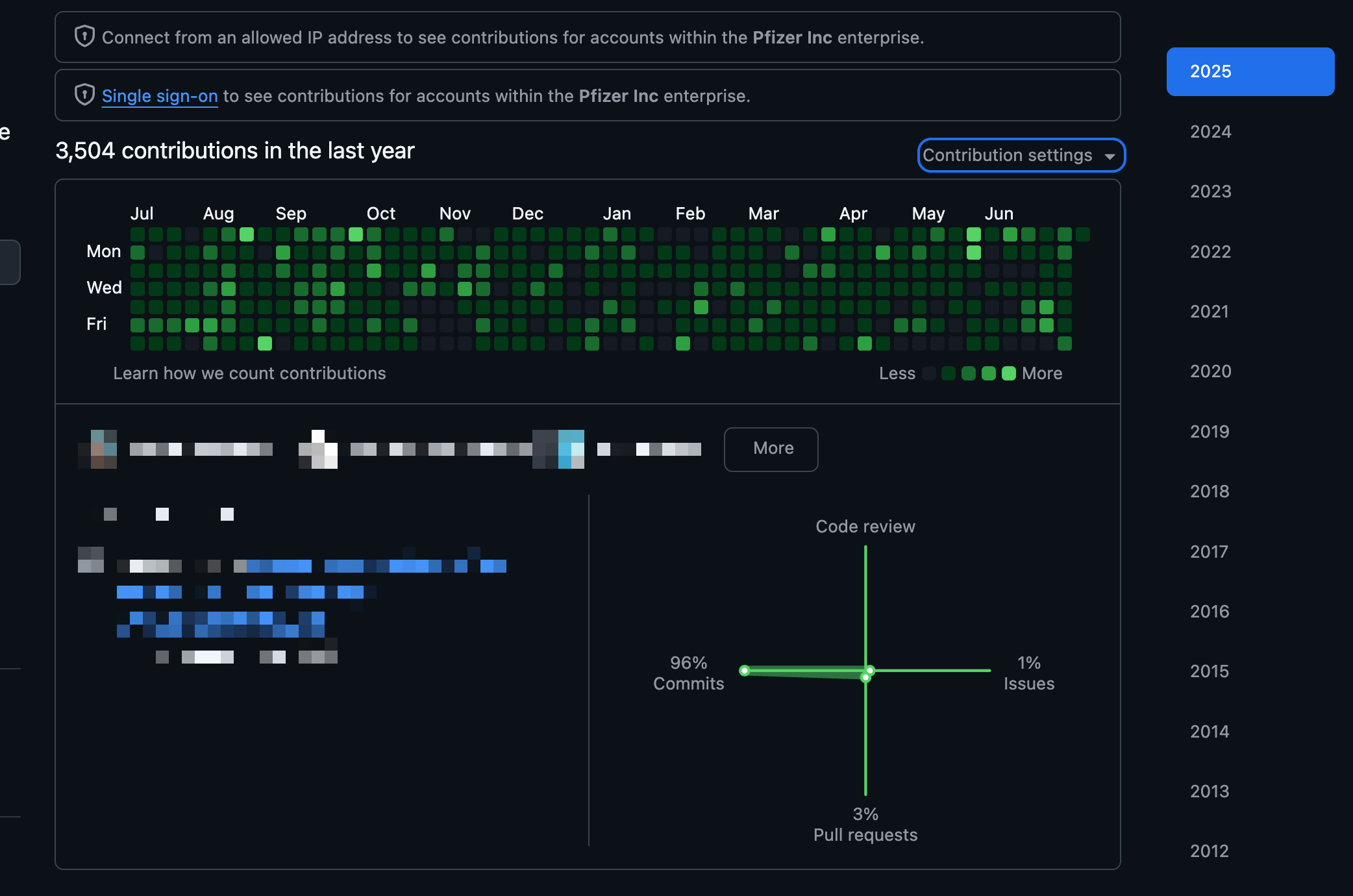
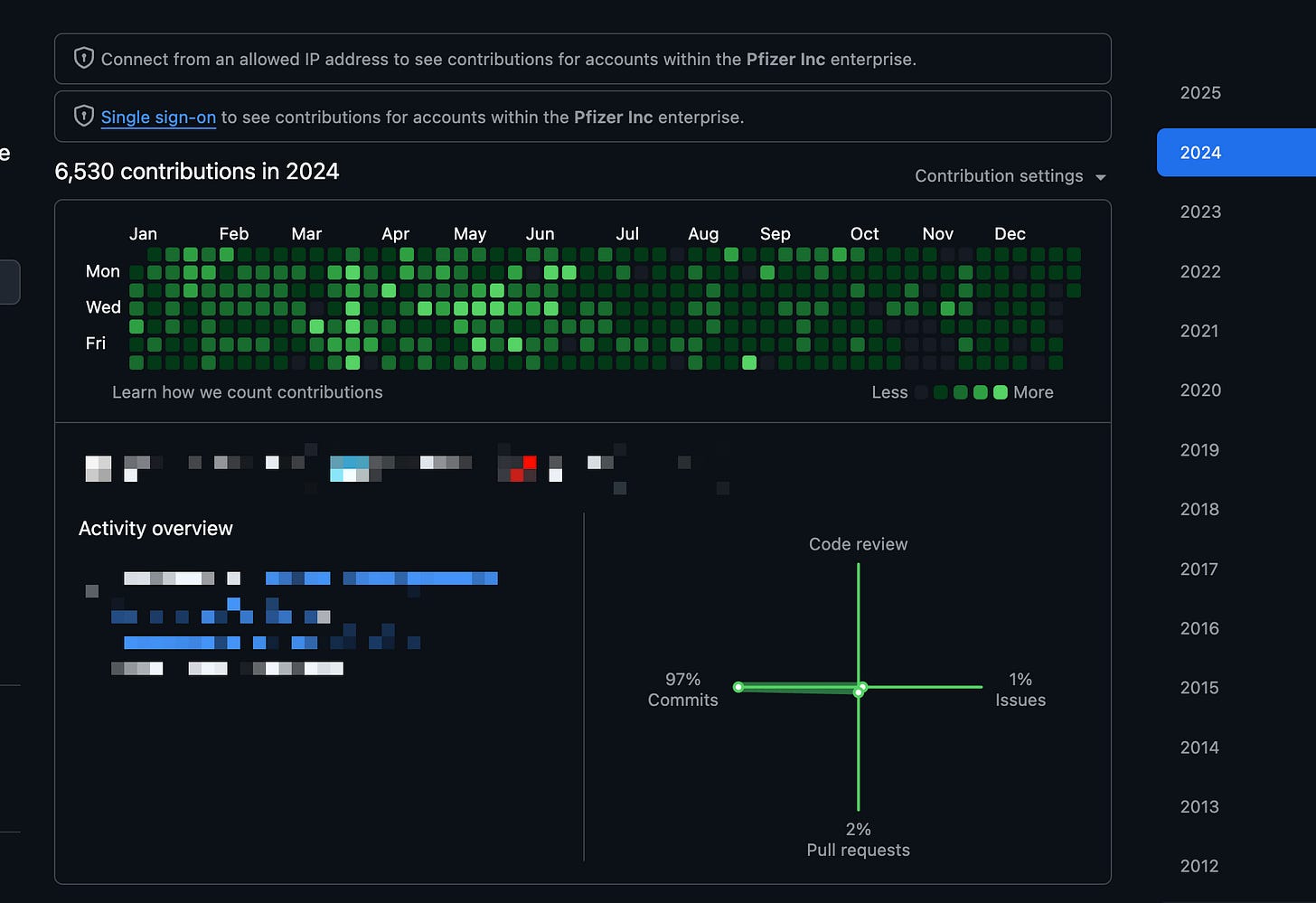
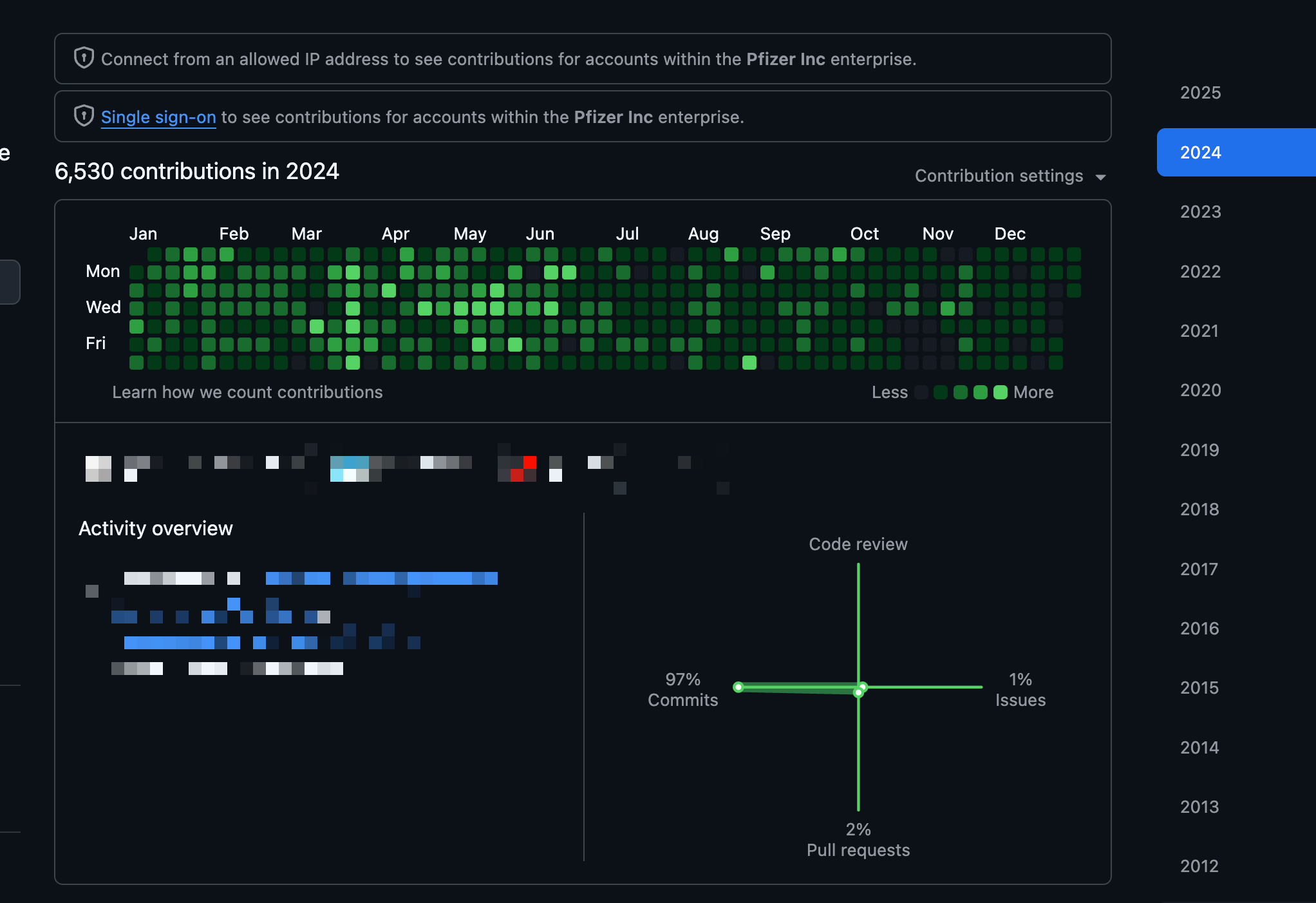
History of me on Github goes back some time!
[
[
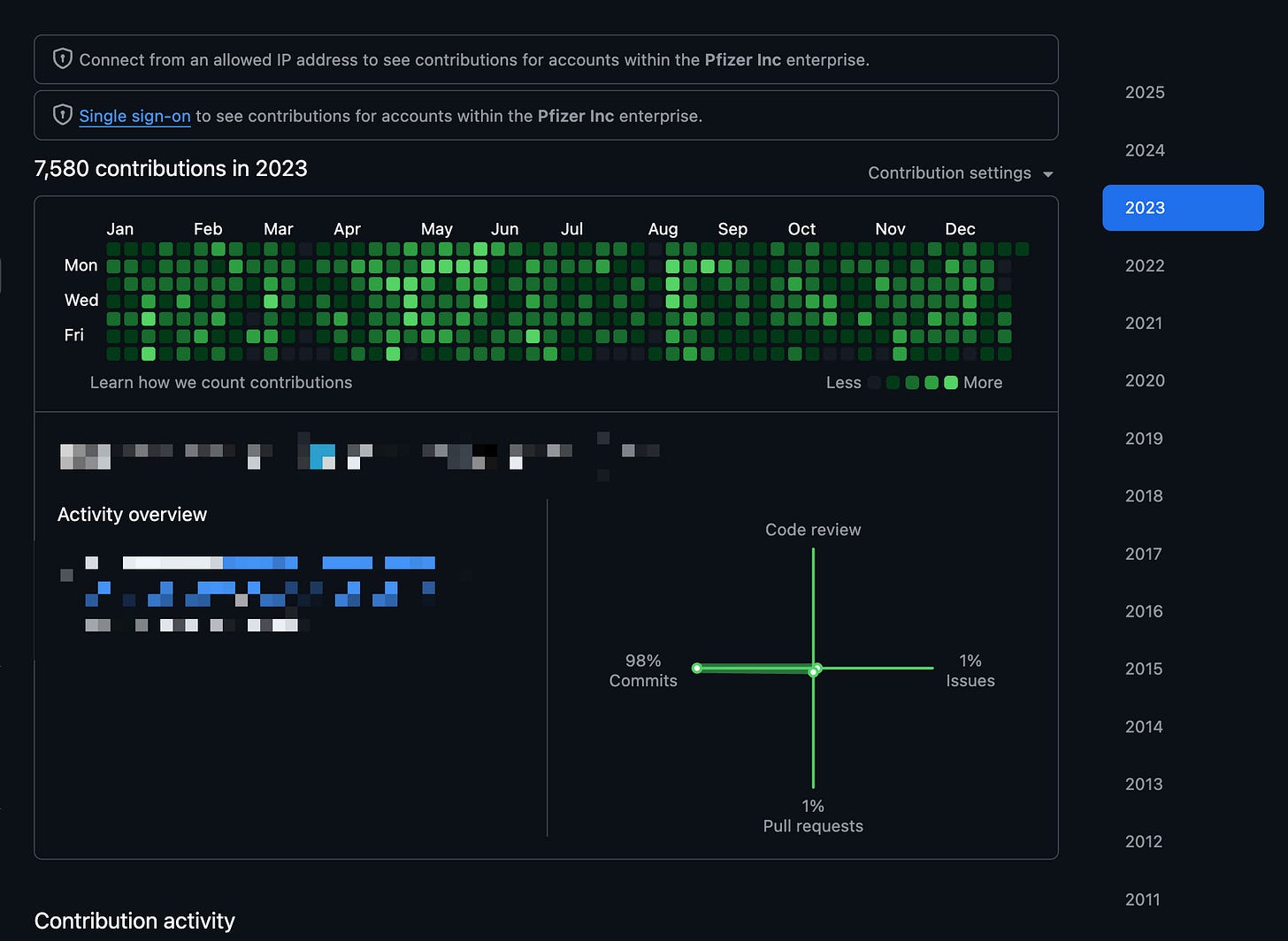
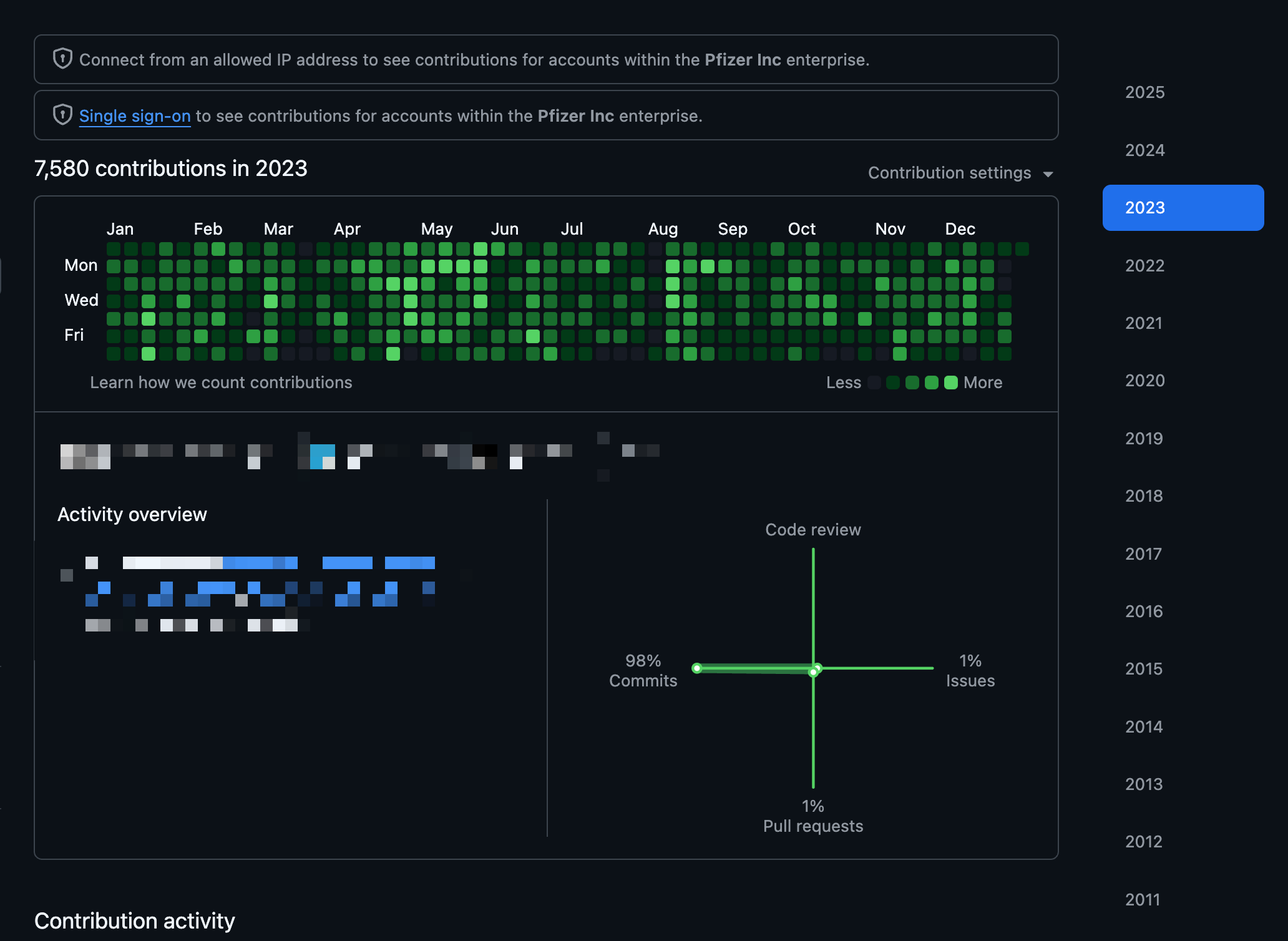
This isn’t theory. This isn’t hype. I’m not selling anything here—in fact, I lose coding work because of this approach. But I also get more valuable work because I can build and deliver faster than ever.
If You’re New: Learn to Build, Not to Code
If you’re starting out, don’t waste your time mastering syntax. No one I know got where they are because they were the best coder in the room. They got good because they learned to solve problems.
If you want to provide value—whether for clients or your own business—start by learning how to build. Learn how to connect the dots using tools. That’s where the opportunity is.
The Power of Tools & No-Code
I’ve worked with so many clients who solve real business problems with tools they didn’t even know existed a year ago—and they’re doing it without writing code.
For example, tools like:
n8n for workflow automation
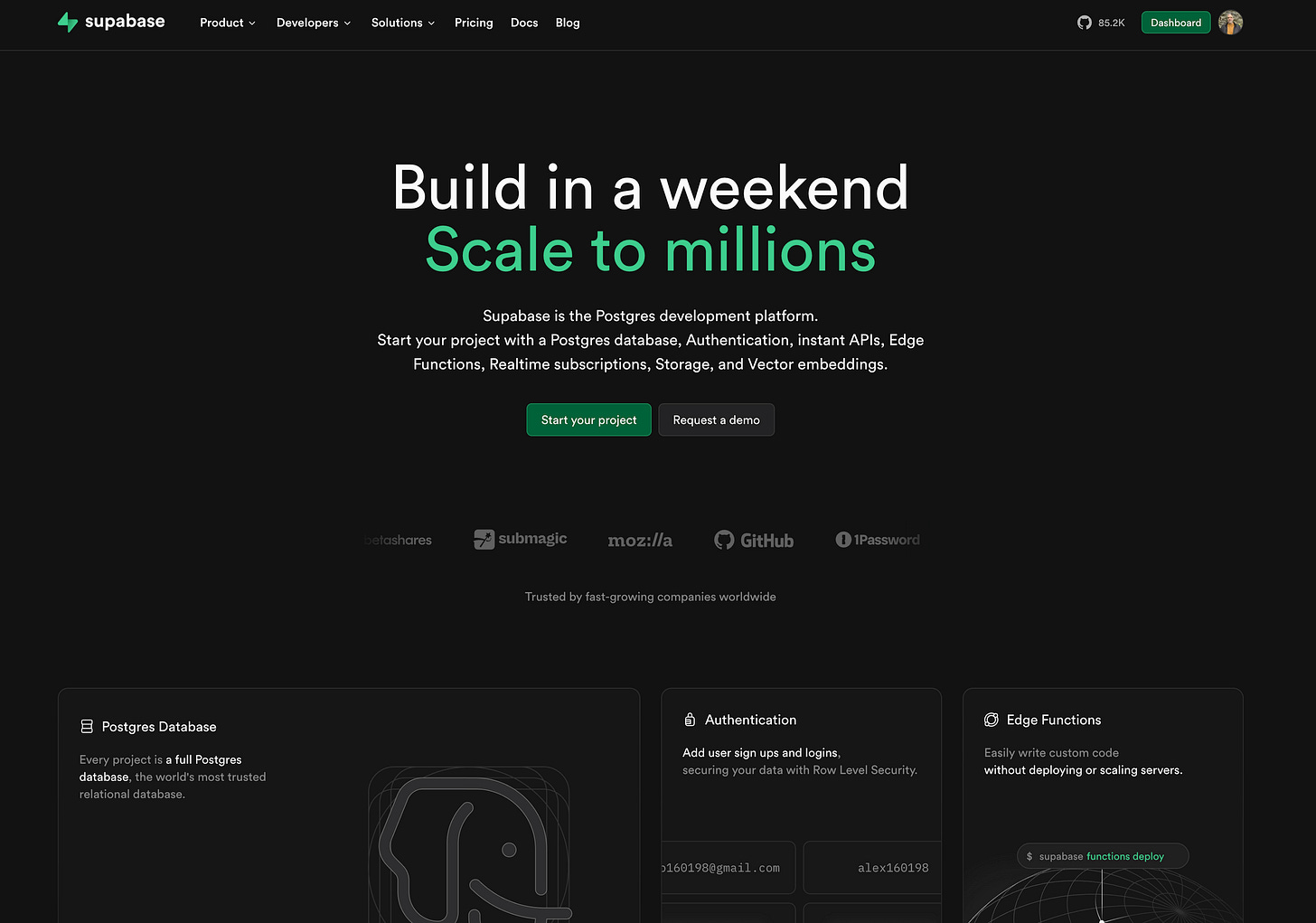
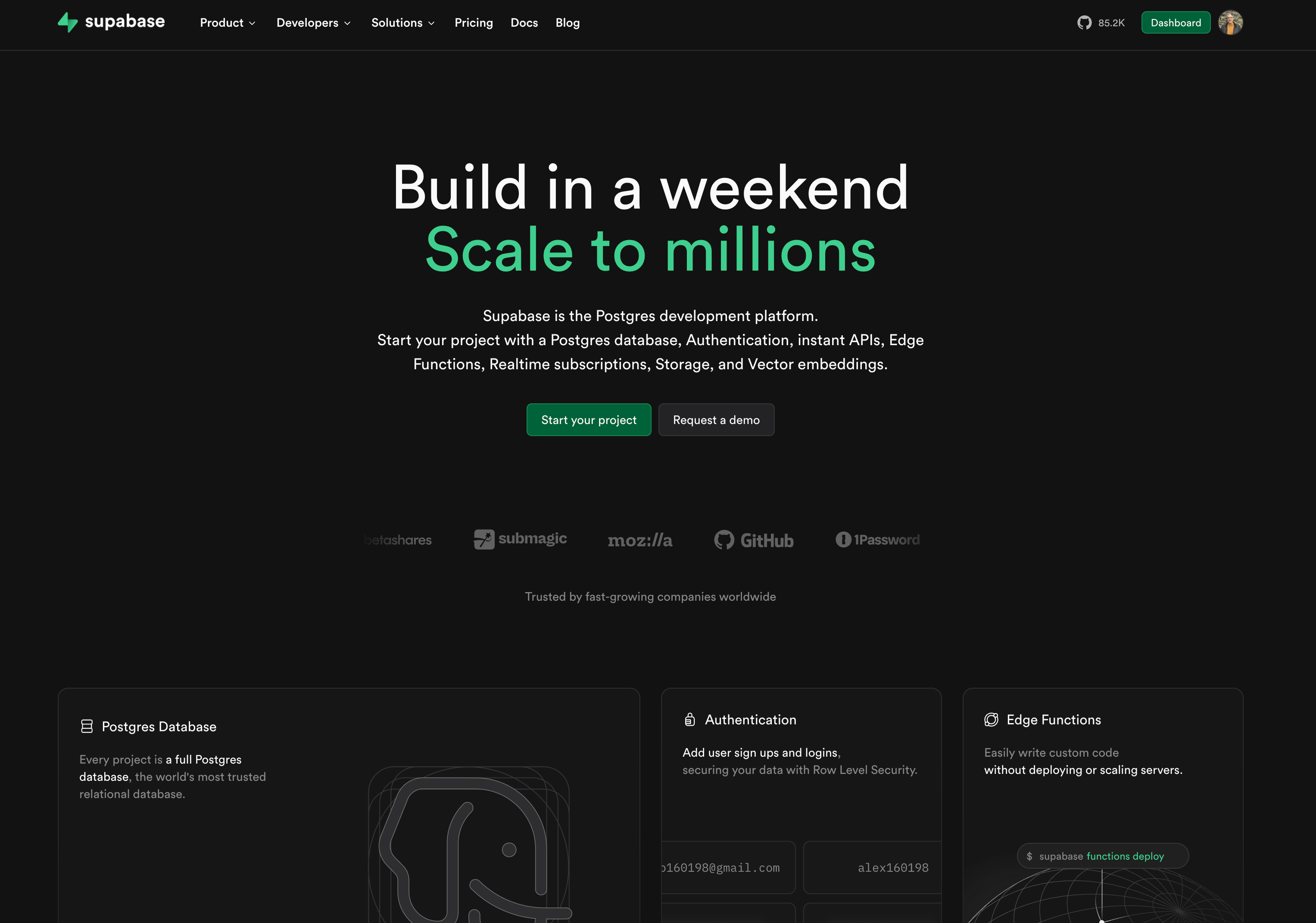
Supabase for instant databases
Bolt.New and Cursor for building UIs quickly
Google Sheets, Slack, QuickBooks, Teams—connected in minutes, not months
Even if you do end up paying $5,000/year for one of these platforms, that’s still cheaper than two weeks of developer time.
[
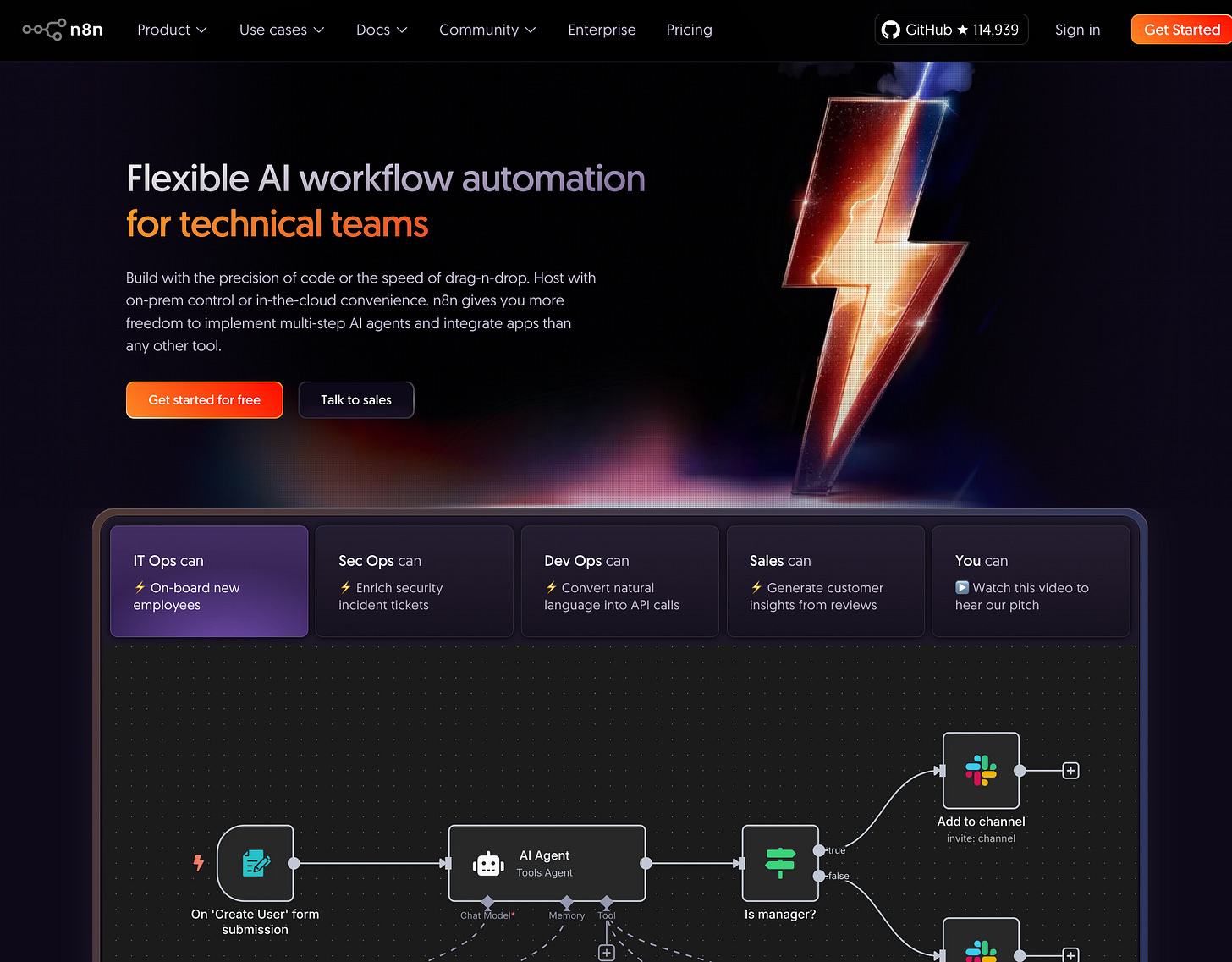
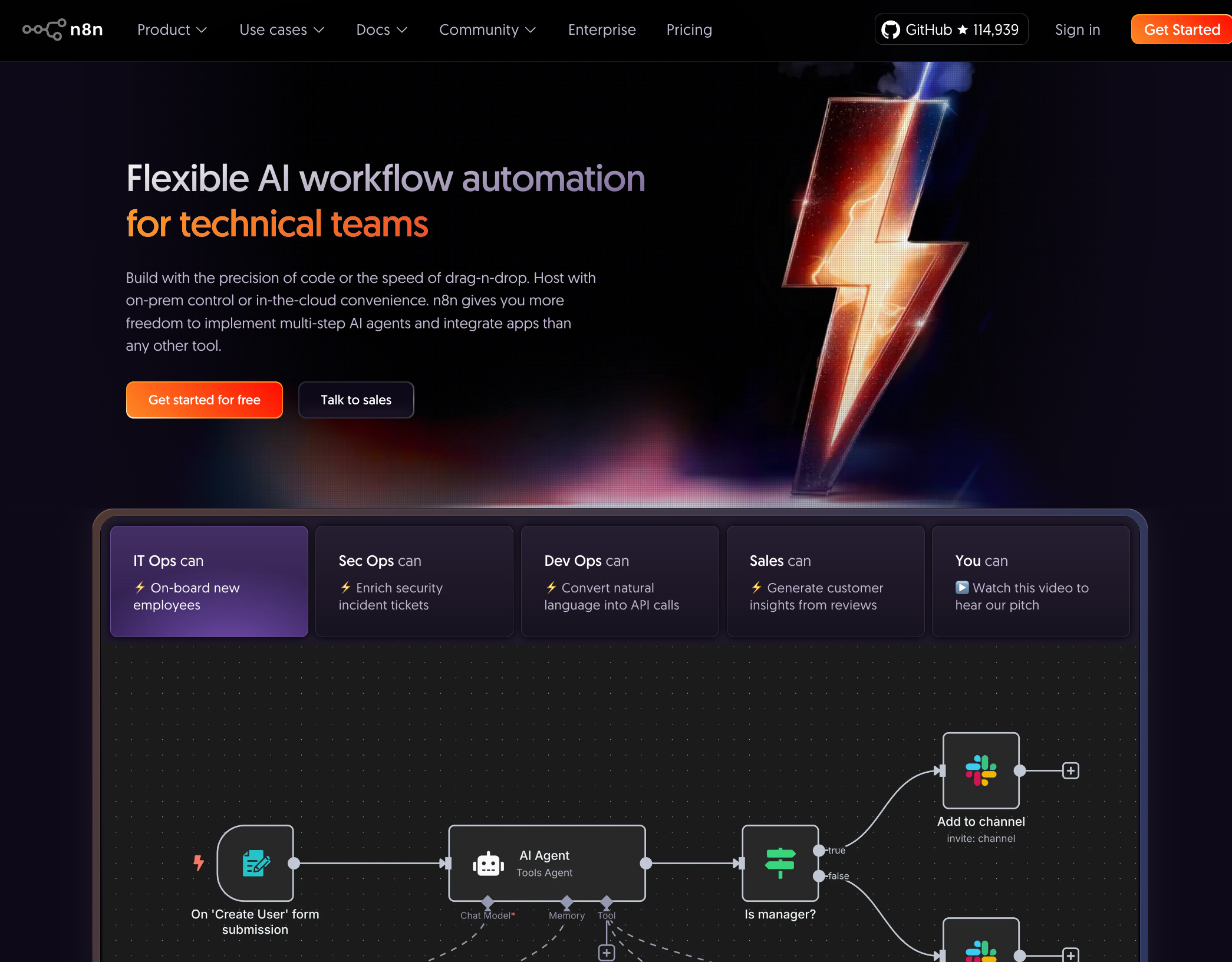
This isn’t about cost-cutting—it’s about getting more done, but also cutting costs by getting things done sooner! And less support since you can see all your work in one place.
Why Coders Struggle with This Shift
Some developers are reluctant to let go of coding. I get it—writing code can feel like a craft, even a calling. But remember: code is a means to an end.
It’s not about microservices or scale or purity. It’s about solving a real problem, saving someone time, making someone money.
If you’re still obsessed with the code itself, you’re missing the point: people pay you to build things, not to write code.
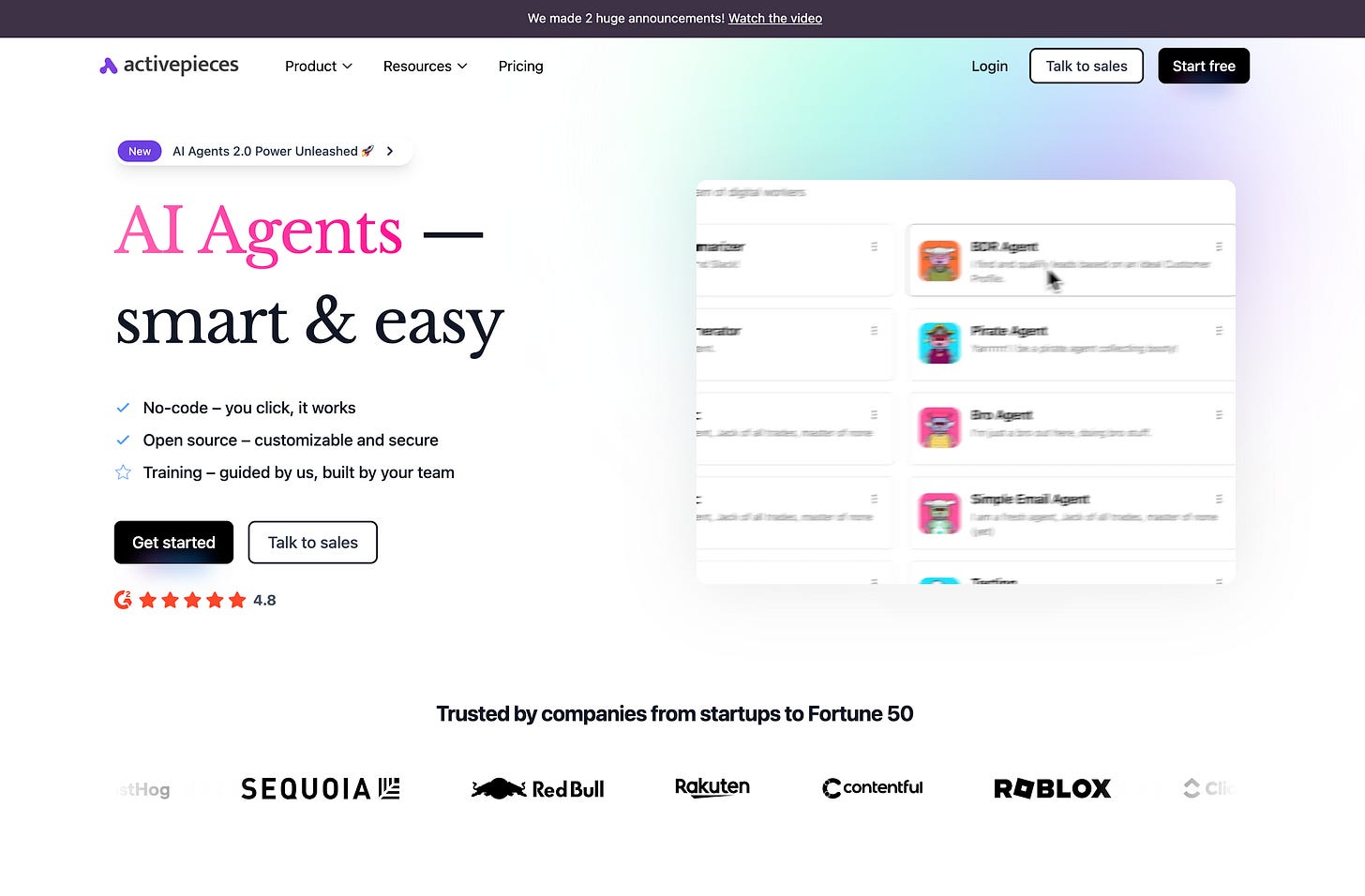
[
Where AI Fits In
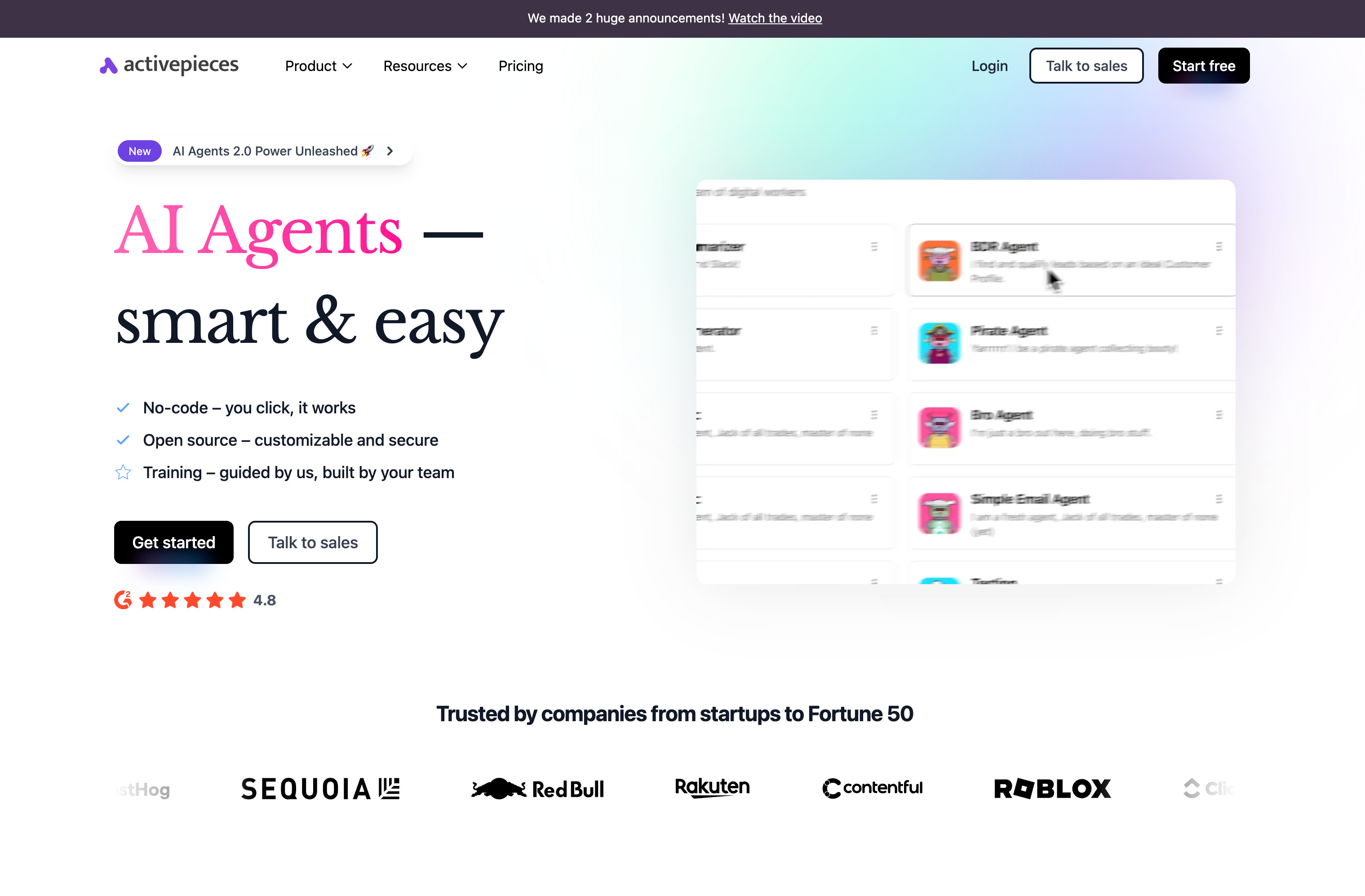
This post isn’t really about AI—but it’s the elephant in the room. And the truth is, AI just makes all this even easier.
Tools like Bolt, Lovable, or even ChatGPT let you skip the tedious stuff. I used to spend hours wrestling with UI design—now I can generate a working interface in minutes. Good enough to use. Good enough to ship.
When I use AI, I give it clear guardrails:
“Use Supabase.”
“Only read/write rows.”
“Trigger events for n8n.”
No complexity. No overengineering. Just results.
[
A Builder’s Mindset
Here’s how I think now: If I wrote code for a project, I ask myself why I had to.
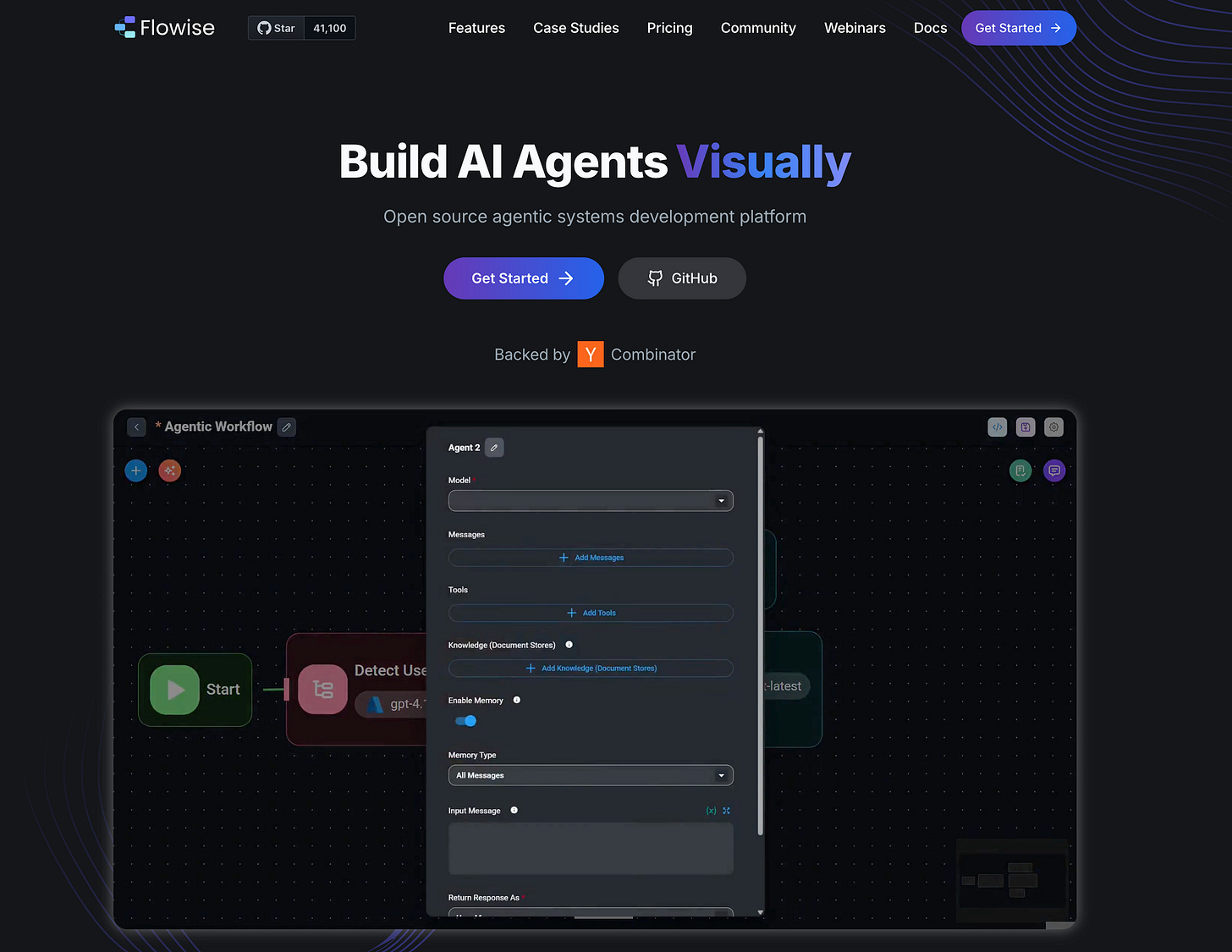
If you’re spending hours writing backend logic, or gluing together APIs manually, chances are there’s a tool that could have done it faster—and better.
And the results speak for themselves. I’ve delivered three or four projects recently without writing a line of code—and nobody cared. The systems worked. The users were happy. So was I.
[
Been There, Done That (With Code)
I’ve written two books on PHP and Laravel. I’ve built systems in Drupal, Laravel, Ruby on Rails. I worked at Pfizer building internal tools.
So I’m not anti-code. I’m just saying: it’s time to rethink. It’s time to evolve.
Final Thoughts
This is a great time to be a builder. The tools are ready. The examples are everywhere. The complexity is optional.
Watch YouTube. Learn from people who don’t code at all. Watch how they solve problems, how they think about workflows. You’ll be surprised how often we overcomplicate things that could be solved in an afternoon—without a single if statement.
Let go of your attachment to the keyboard.
Build. Ship. Repeat.